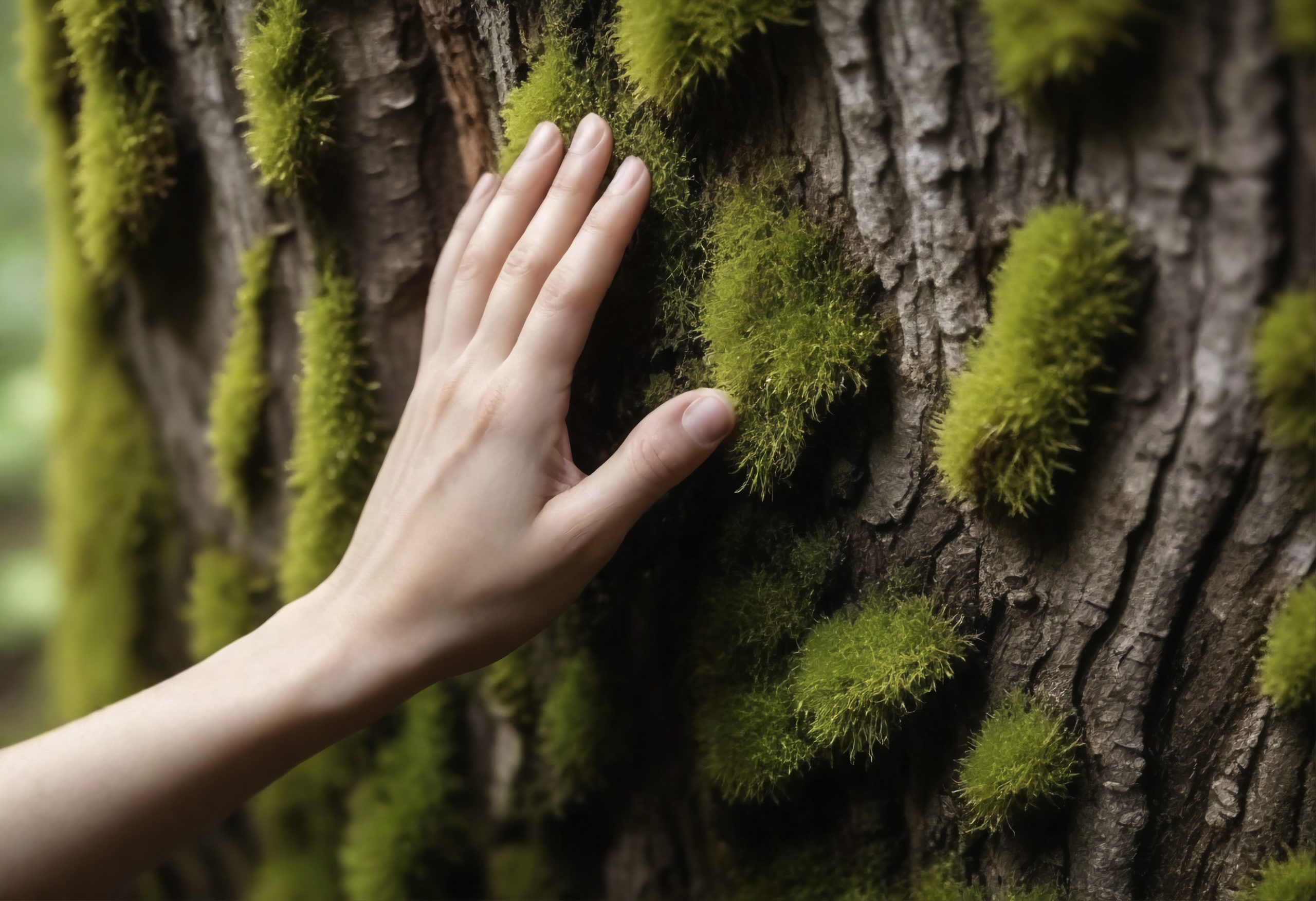
In our fast-paced world, stress has become an almost unavoidable companion. But as we search for solutions to improve mental and physical well-being, forest therapy has emerged as an innovative, nature-based healing practice. With roots in Japan’s practice of *shinrin-yoku*, or “forest bathing,” forest therapy goes beyond a simple walk in the woods. It involves intentional, mindful time in nature to harness its powerful effects on our health. Here’s a look at why forest therapy works and the science that backs up its remarkable benefits.
What is Forest Therapy?
Forest therapy, also known as forest bathing, is a practice that encourages participants to immerse themselves in natural settings, using all five senses to connect with the forest environment. More than just walking among trees, it’s about slowing down, observing surroundings, and mindfully breathing in the forest’s atmosphere. Many people find that this immersive experience not only calms their mind but also strengthens their body.
The Science Behind Forest Therapy
Forest therapy, also known as forest bathing, is a practice that encourages participants to immerse themselves in natural settings, using all five senses to connect with the forest environment. More than just walking among trees, it’s about slowing down, observing surroundings, and mindfully breathing in the forest’s atmosphere. Many people find that this immersive experience not only calms their mind but also strengthens their body.
Forest therapy, also known as forest bathing, is a practice that encourages participants to immerse themselves in natural settings, using all five senses to connect with the forest environment. More than just walking among trees, it’s about slowing down, observing surroundings, and mindfully breathing in the forest’s atmosphere. Many people find that this immersive experience not only calms their mind but also strengthens their body.
1. Reduces Stress and Anxiety
Numerous studies have shown that spending time in nature can reduce cortisol levels, the body’s primary stress hormone. According to research published in Environmental Health and Preventive Medicine, people who participate in forest therapy report lower blood pressure and a significant reduction in stress. This benefit is partly due to the calming effects of nature sounds, scents, and the visual richness of greenery, which all contribute to a more relaxed nervous system.
2. Improves Mood and Mental Health
Forest therapy has been shown to boost mood and mental health by increasing the production of “happy hormones” like serotonin and dopamine. A study by Stanford University found that people who walked in nature for 90 minutes showed decreased activity in the prefrontal cortex, the brain region linked to negative rumination. This means that nature can provide a mental reset, offering a break from overthinking and promoting mental clarity and positive emotions.
3. Boosts Immune Function
Trees emit natural compounds known as phytoncides, which help protect them from harmful organisms. When we breathe in these phytoncides during a forest therapy session, our bodies respond by increasing the production of natural killer (NK) cells—immune cells that fight off infections and cancer. Research has shown that even short exposure to forest environments can boost immune function for days, making forest therapy a natural immune booster.
4. Encourages Mindfulness and Grounding
Forest therapy also promotes mindfulness—a mental state where one is fully present and engaged in the moment without judgment. Mindful practices in nature, such as listening to birds, observing leaves, or touching tree bark, foster a deep sense of awareness and grounding. This has a therapeutic effect, helping to clear mental clutter and enhance focus.
5. Improves Cognitive Function and Creativity
Spending time in nature has been shown to improve cognitive performance and boost creativity. Studies suggest that a walk in the woods can enhance attention and memory while reducing mental fatigue. Nature’s restorative effects help “recharge” the brain, making it a powerful tool for individuals looking to enhance focus, problem-solving skills, and creativity.
How Forest Therapy Works
Forest therapy activates multiple healing pathways in the body. Here’s how it engages each:
Physical Pathways: Forest therapy stimulates the senses—sight, smell, sound, and touch—which in turn activate the parasympathetic nervous system. This system lowers heart rate, decreases blood pressure, and reduces muscle tension.
Mental Pathways: By immersing oneself in nature’s rhythms, forest therapy reduces mental fatigue, encourages calmness, and provides relief from the digital and urban overload common in daily life.
Emotional & Spiritual Pathways: The quiet, grounding experience of nature fosters a sense of peace, gratitude, and interconnectedness. Many participants report feeling a sense of renewal, as if they are reconnecting with an essential part of themselves.
Practical Tips to Start Your Own Forest Therapy Practice
You don’t need to live near a forest to practice forest therapy. Here are a few ways to start:
Begin with Short Walks: Find a green space nearby, like a park or garden, and take short walks while consciously focusing on your surroundings.
Engage Your Senses: Pay attention to the sights, sounds, smells, and textures of nature. Try observing leaves or feeling the textures of tree bark.
Practice Deep Breathing: While outside, take slow, deep breaths, allowing your mind to become still as you inhale the fresh air.
Embrace Silence and Stillness: Disconnect from your phone and other distractions. Allow yourself to simply be present.
Why Forest Therapy is Growing Globally?
As people seek more natural ways to support their mental and physical well-being, forest therapy has become increasingly popular worldwide. Countries like Japan, South Korea, and the United States are recognizing its value, with designated forest therapy trails and certified guides to lead participants. This global interest in nature-based healing reflects a growing appreciation for the therapeutic potential of the natural world.
Conclusion: The Benefits of Forest Therapy for Mind, Body, and Spirit
Forest therapy offers a holistic approach to healing, combining mental clarity, emotional well-being, and physical health. Science shows that nature has profound effects on the human body, supporting lower stress levels, stronger immune responses, and improved mental health. As this nature-based healing practice continues to grow, more people are discovering that the power of trees and nature can foster healing in ways that go beyond modern medicine.
If you’re ready to experience the healing effects of forest therapy, consider booking a guided session to connect deeply with nature and reap the benefits for your mind, body, and soul.